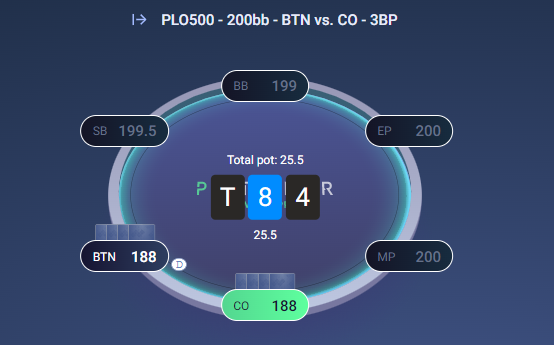
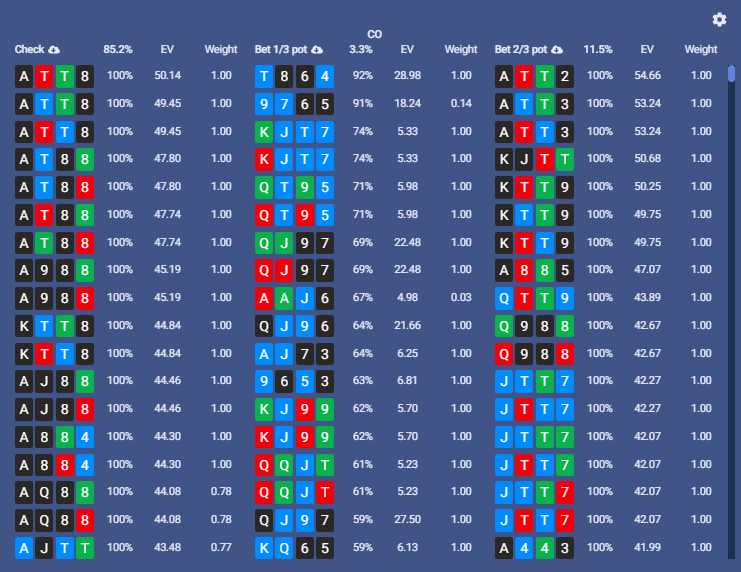
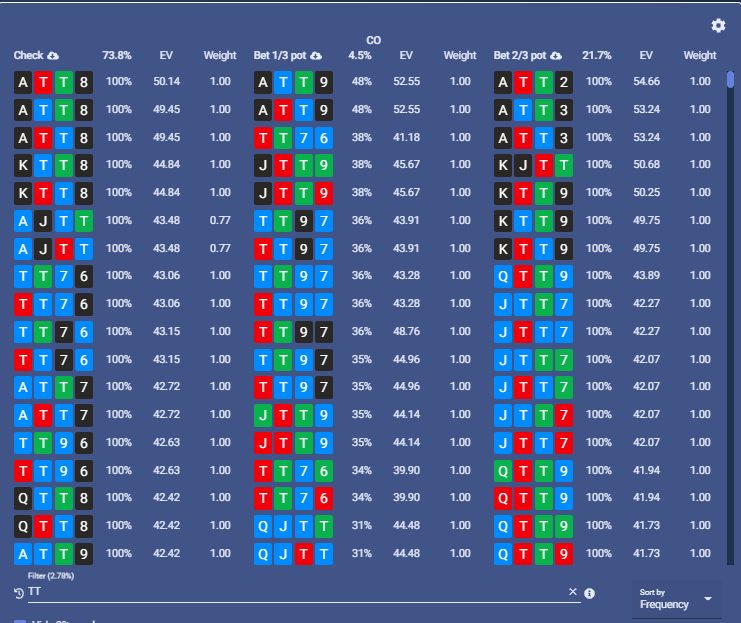
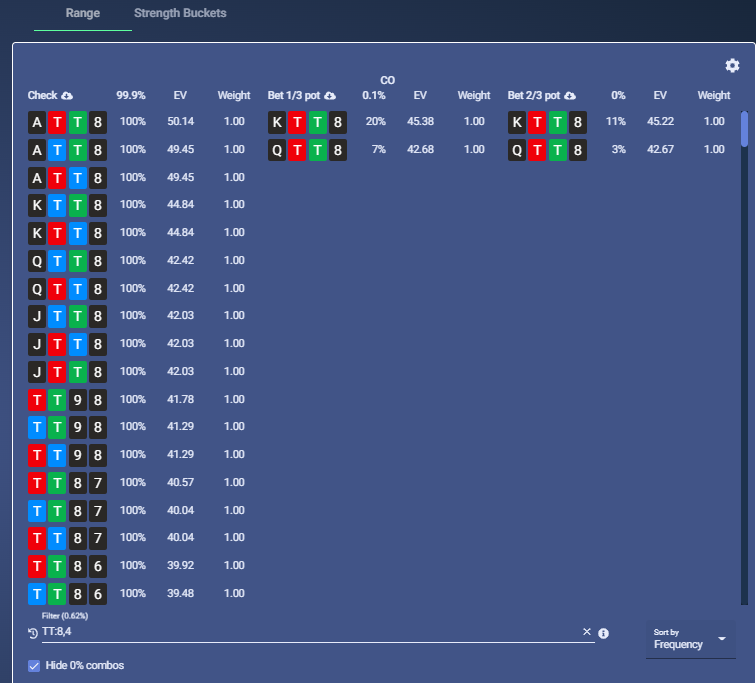
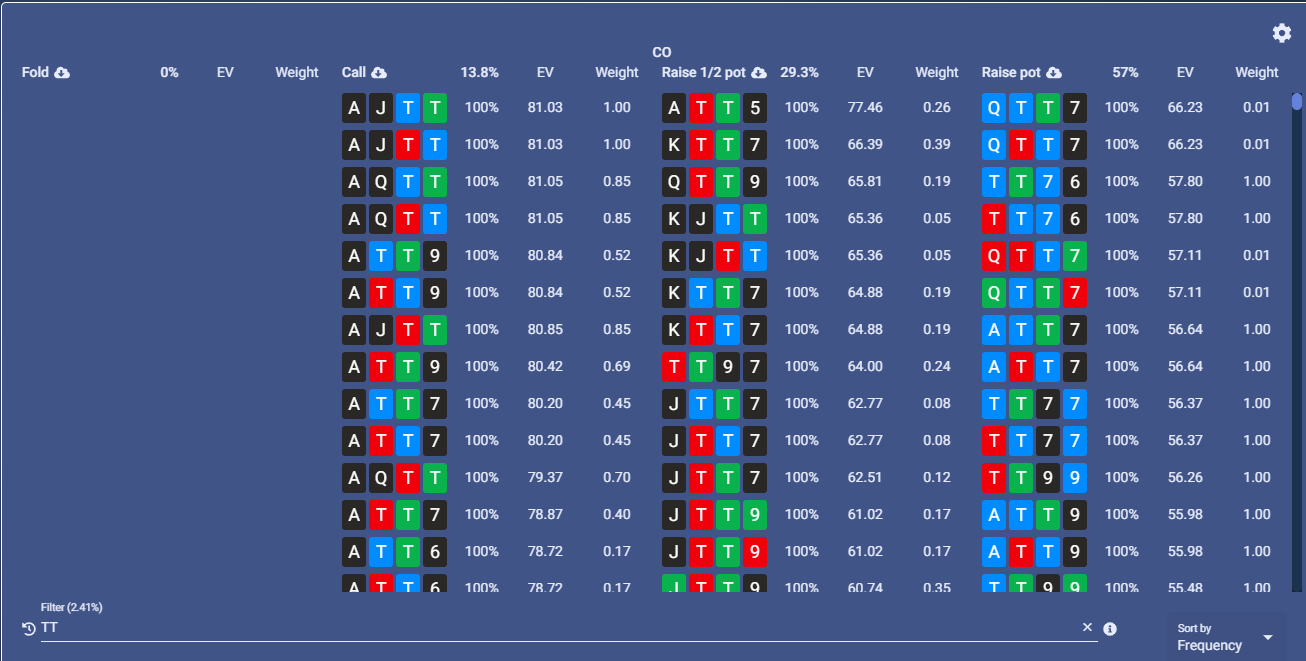
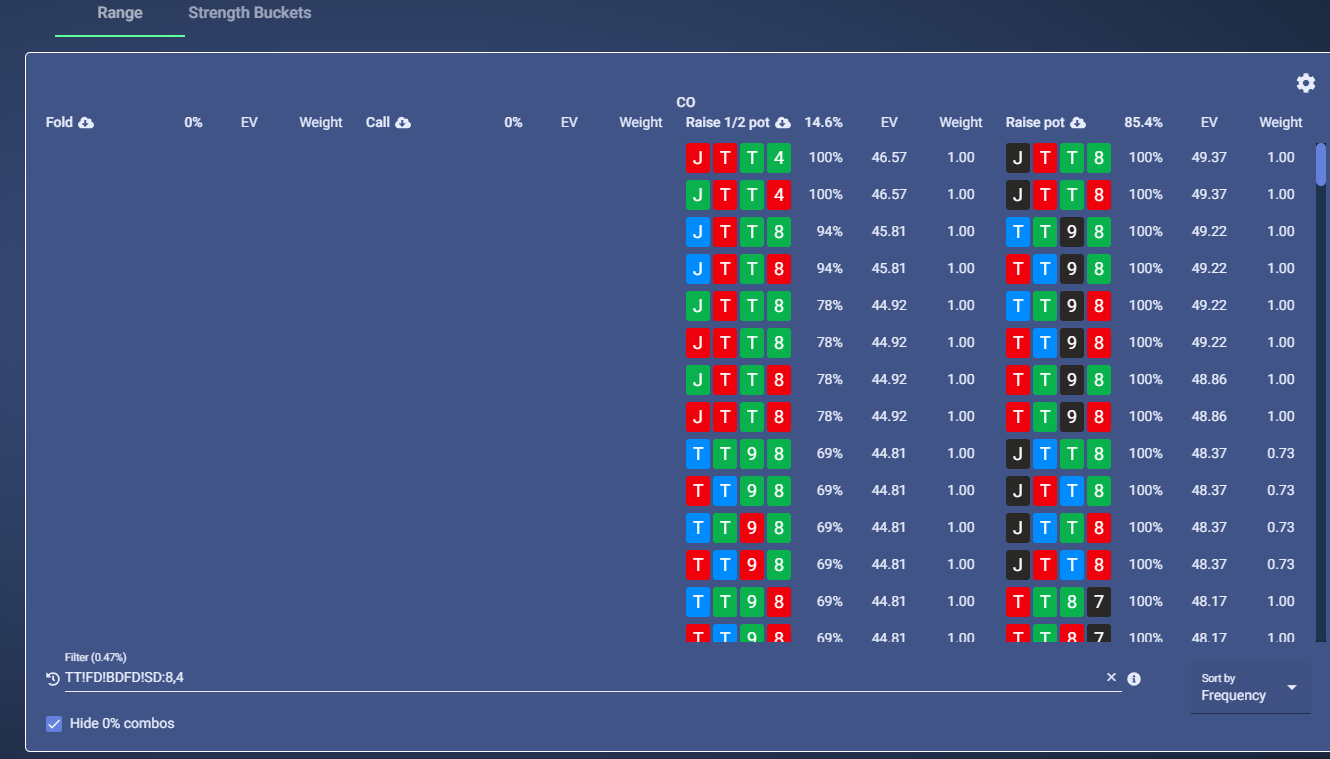
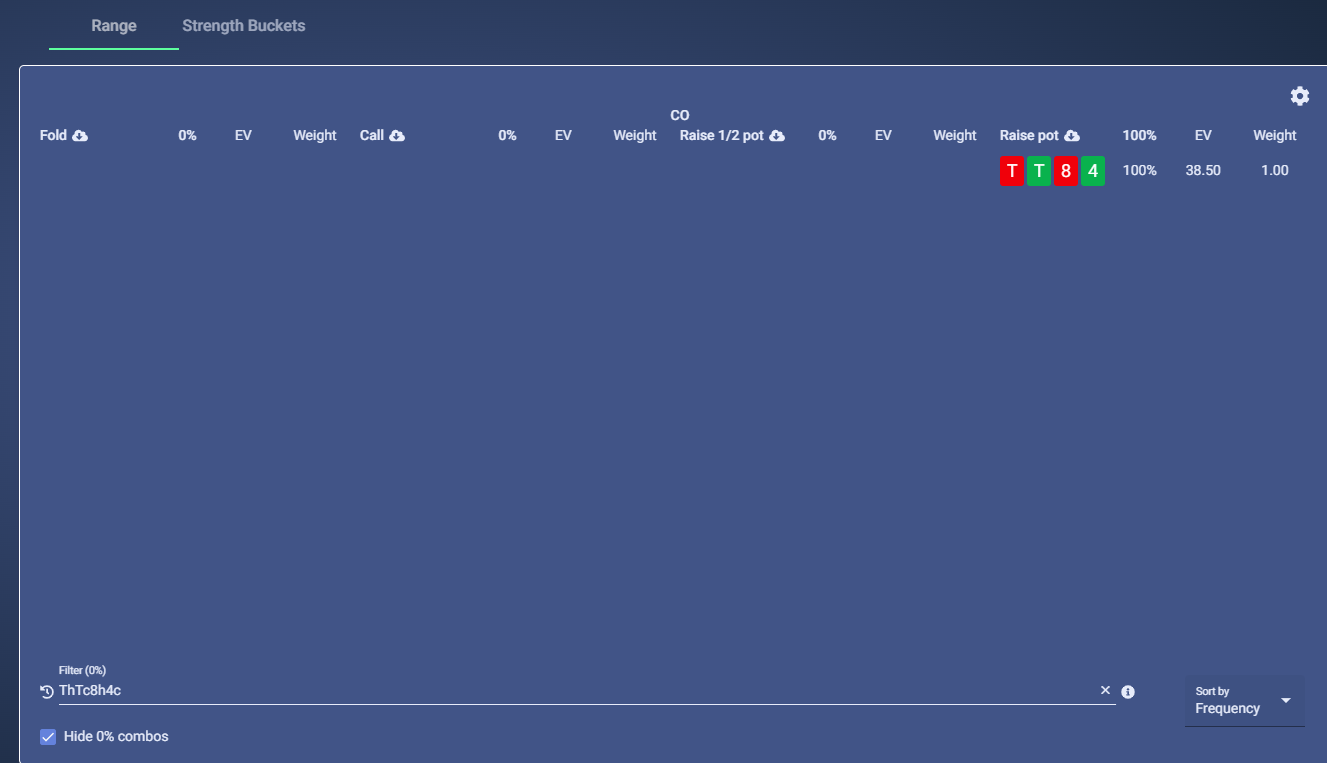
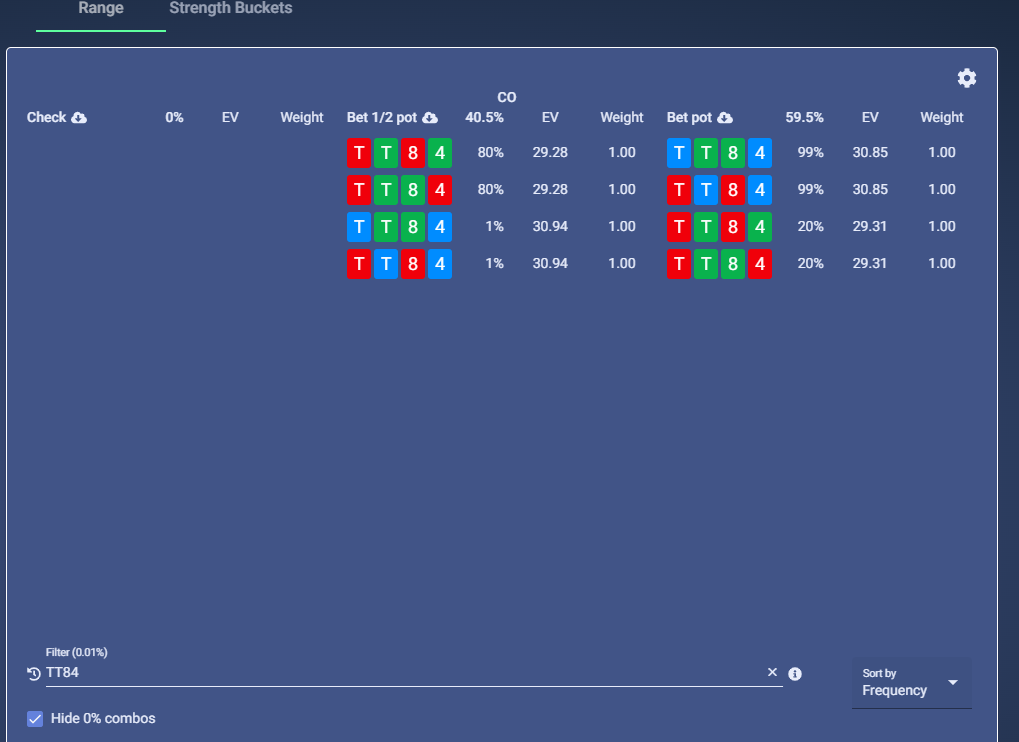
In a normal dynamic against regular, yes. And follow up barreling on turn-cards is an option too, checking is kinda passive with top-set. I can mix those plays depending on villain, sidecards, etc. Just check-folding top-set because it´s not nuts anymore in general is pretty weak.
But that´s against regs/unknown, not passive players. Those single hand reviews should not fade out the fact we are performing our actions with hand-ranges. I am never playing 100% move in a specific spot with a specific hand.
That´s also why I just give recommendations how to play a hand and try to undermine it with arguments why to do so. If you bet here in such a line, you want to have sets, flushes, bluffs, so you can continue balanced on different river outcomes. When you check you want to have give-up air, flushes and sets too. The spot by itself is not so common and villains miles away from GTO so balancing yourself ain´t that important, that´s why I said leading flop is the better play. Villain will call worse hands, check behind all kind of texture shifts, we win at showdown. If we improve, we have a bigger pot where we can bring even bigger value bets that are going to be called in a bad fashion aswell and win bigger pots. If villain gets aggressive, we play well against very defined ranges by making either implieds calls where if we can assess villains looseness on ie paired rivers to pay out a flush or make a highly exploitative fold on that flush turn card against a pot-sized bet (which is nutflush).
If you want to advance your game from a fit-fold/nutpeddle-style you must think in terms of hand ranges. Because, which kind of passive player calls flop multiway to bet pot on flushed turn-cards? Does he pay out paired river cards`?
You can have huge amount more playability with redraws. Give hero nut flush draw with top set and boom playability just sky rocketed.
Yes so?