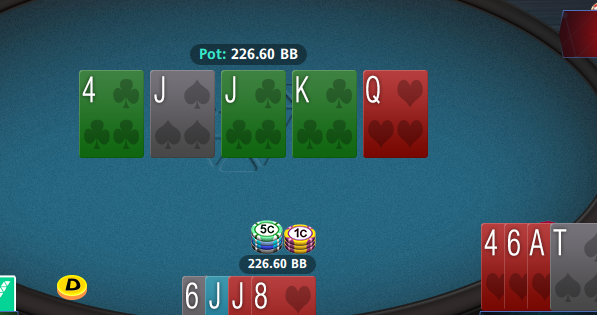
Not sure where, but someone asked my opinion on what to focus on when moving from HE to PLO. Here are some thoughts:
They are totally different game
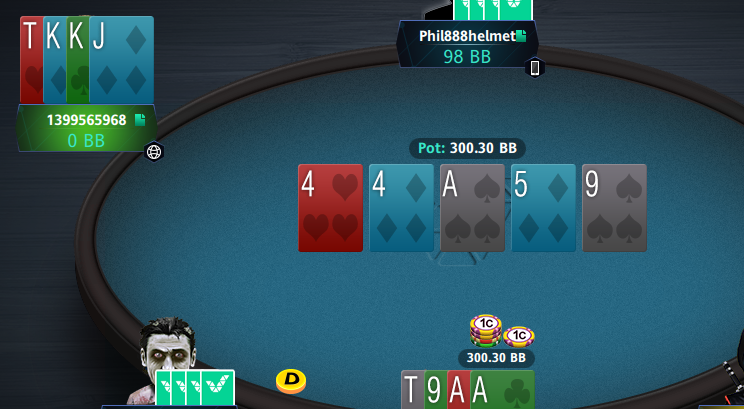
Don't think it's HE with 4 cards, as that approach will make you go broke. In HE hand values are more static, meaning that 2 pairs, set, straight etc. is quite often with similar strength, no matter what the board is. In other words, strong hand on the flop are quite often strong hands on the turn, and on the river. In PLO equities shift, which means that strong hands on the flop might be really weak on the turn. It's quite common for HE players to over value 2 pairs or top pair, and valuebet or call with them in spots where it shouldn't be done.
Draws are more powerfull, made hands are more vulnerable
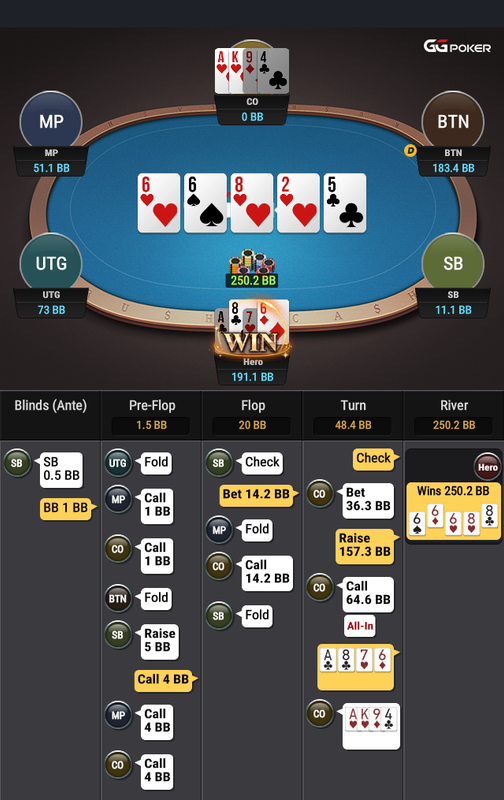
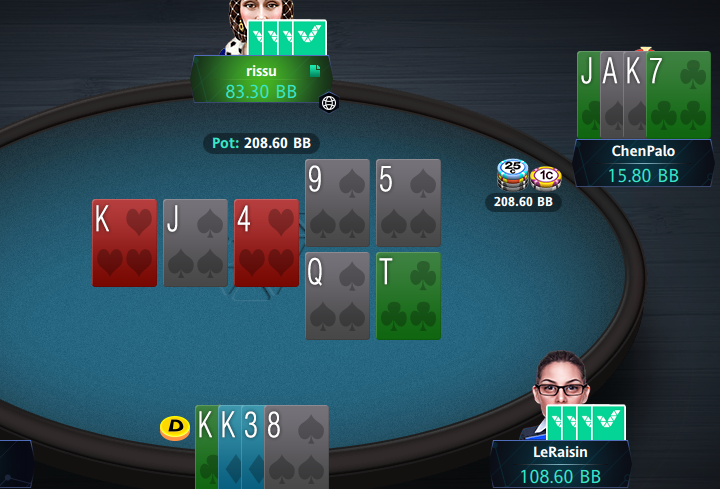
In HE your "monster" draw is just mediocre one in PLO. With 4 cards you can have wraps, which are straight draws with 9+ outs. Quite common theme in a bit pot is that one player has a made hand and other one has a big draw. It's essential to understand how strong draws are.
Preflop is different
In HE preflop is quite easy, as you have very limited starting hands. You can memorize preflop ranges from each position exactly. In PLO you can't. People have tried to make preflop charts and "cheat sheets", but in my opinion it's the wrong way to go. Every system for preflop has weaknesses, and if you just try to memorize stuff you won't learn and understand why and when a hand is good or not. We have a free and easy way to practise starting hands in our PLO section of the forum, if one doesn't have access to solver preflop. The key is to understand what makes a PLO hand stronger and what makes it weaker. And then there is a big difference whether the pot will be HU pot or multiway. The single biggest leak on players is often that they call too much preflop. In reality, if we want to make profits we often need to be VERY tight on preflop calling.
Sizing
Very good tell that someone is HE player is that they use less than pot sizing preflop. In PLO sizing is super easy preflop, as there is only one sizing: pot. Postflop there more room, but I would stick to simple approach in the beginning: On the flop half a pot and 3/4 pot. Half a pot on monotone, paired or super dry (K72r) boards, 3/4 on everything else. On the turn, we ad pot sizing on draw heavy boards. Quite common mistake at smaller stakes is too small sizing. If you are not sure, bigger is always better. More value, more protection and most opponents are calling anyway.